
In the heart of Johannesburg’s Inner City, a remarkable organization is quietly working to heal wounds, empower individuals, and create a society free of trauma victims. The Power of Women and Children (P.O.W.C.) Department of Community Psychosocial Care – Mental Health is on a mission to minimize the secondary harm caused by trauma, providing expertise, information, and support to make victims’ journeys toward healing a reality.
Mission and Vision
The mission of P.O.W.C. is clear: to alleviate the emotional pain of those suffering from mental disorders, stress, trauma, and social rejection. Their vision is even more profound – to build a society free of trauma victims. This mission is grounded in a philosophy of having a heart that is sensitive to the pain of fellow human beings.
Community Support
P.O.W.C. targets seven communities in Johannesburg Inner City, including Orange Grove, Yeoville, Bertrams, Mayfair, Rosettenville, Cresta, and Street Communities (Homeless). Their intervention is comprehensive, spanning multiple levels:
Level 1: Emotional Support
- Home visits offering comfort and encouragement.
- Counselling and referrals to service providers.
- Community discussions to create awareness and provide moral support.
Level 2: Basic Needs Assistance
- Appeals for food vouchers, toiletries, clothes, and other donations to help vulnerable clients.
Level 3: Empowerment Through Self-Reliance
- Introduction to self-reliance through small business initiatives.
Approach and Methodology
P.O.W.C.’s approach centers on psychosocial care and self-empowerment, helping individuals discover their capacities and use them to generate income and become self-reliant. Their methodology involves private, attentive, and engaging listening, dialogue, counselling, and re-education.
Beneficiaries
The organization primarily serves migrant communities, including Burundians, DRC, Somalians, Ethiopians, Eritreans, Zimbabweans, Malawians, Mozambicans, and more.
Program Design and Services
P.O.W.C.’s program is designed to unfold gradually over the course of a year, focusing on different aspects each month:
- Months 1-3: Creating awareness and providing emotional support.
- Months 4-6: Introducing self-reliance and identifying talents and skills.
- Months 7-9: Preparing for business management.
- Month 10: Launching the first five community business starters.
Throughout the program, individual and family cases are addressed through home visits by CPS volunteers.
Current Needs
While P.O.W.C. is making a significant impact, they still have some needs to fulfill their mission completely:
- Their own office and storeroom.
- Office equipment (laptops, computers, printers, etc.).
- A vehicle for outreach.
- Administration funds.
- Donations such as food vouchers, food parcels, clothes, and toiletries.
- Funds to support their program levels.
- Training and empowerment for their personnel and community leaders.
Contact Information
If you’re inspired by the work of P.O.W.C. and want to get involved or offer support, you can contact Mr. Juvénal Hatungimana, the Head of the Department for Community Psychosocial Care – Mental Health, through the following channels:
- Email: psychosocial@pofwc.org.za
- Mobile: +27 78 482 0745
- WhatsApp: +27 74 811 6075
P.O.W.C. is a shining example of compassion, empowerment, and healing, proving that with the right support, we can create a world where trauma victims are not only helped but also equipped to help others. Together, we can all arise and shine against mental disorder, stress, and trauma.
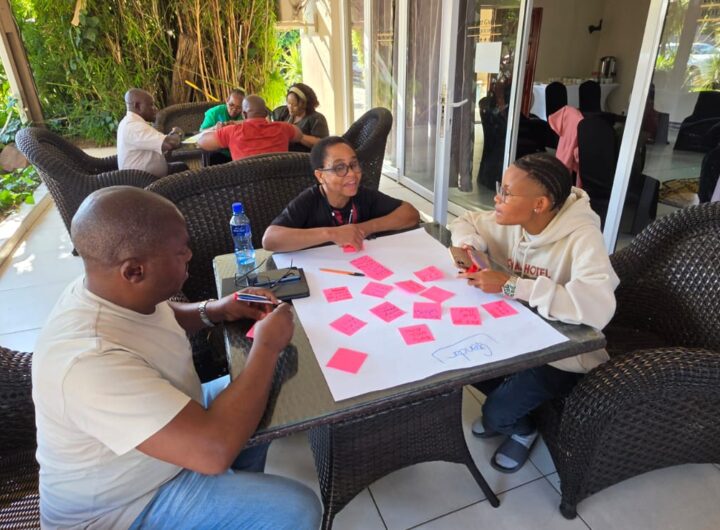 Advancing Diversity, Equity and Inclusion: Power of Women and Children Participates in Faith Leaders’ Workshop
 This Christmas, Don’t Just Celebrate Hope. Give Someone a Reason to Hope.
 STATEMENT ON THE FIFTH WOMAN FOUND DEAD IN THE KEMPTON PARK AREA
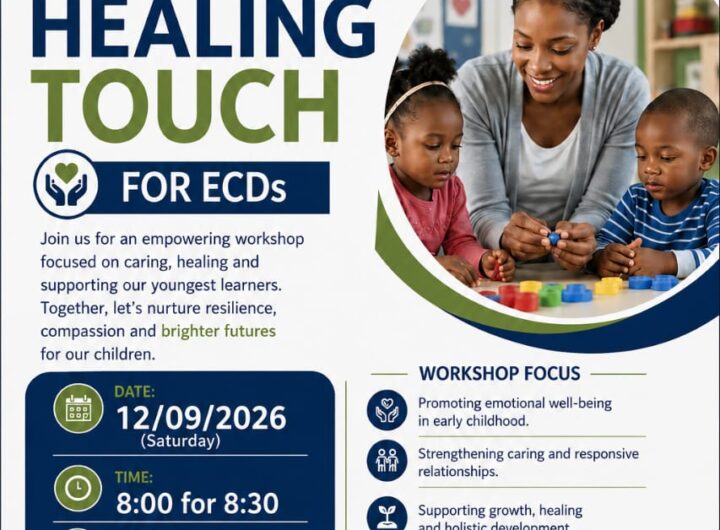 Healing Touch for ECDs: A Call to All Registered ECD Practitioners and Teachers
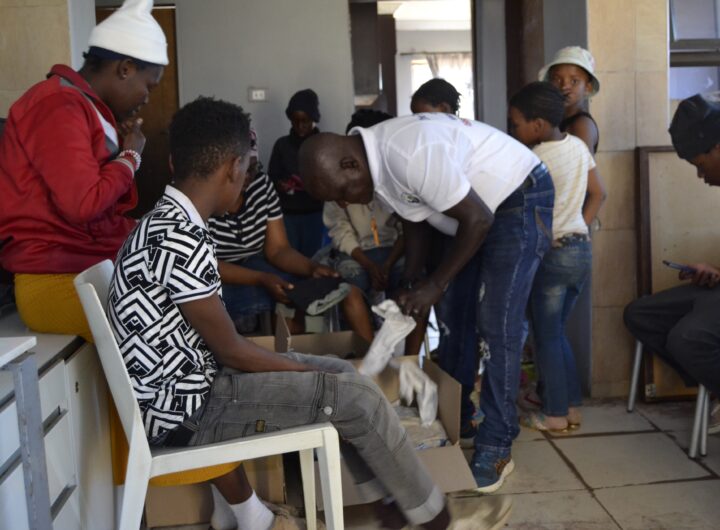 A Heartwarming Day of Giving: Bringing Hope to Ithemba Labantwana and the Tshepisong Community
 Power of Women and Children Completes Fathers Matter Champion National Training
 Beyond the Fairway: When the Boy Child Was Told, ‘You Matter’
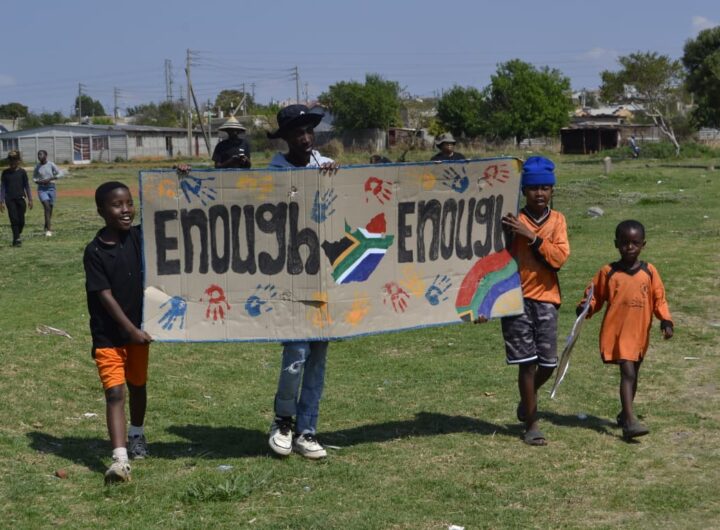 ENOUGH IS ENOUGH: Standing Together Against Gender-Based Violence and Femicide