 Who Are HIV Long-Term Survivors?
The advent of powerful HIV medications has transformed the landscape of HIV/AIDS, allowing people living with the virus to live much longer and healthier lives. This remarkable medical achievement has given rise to a unique group within the HIV community: Long-Term Survivors (LTS). These individuals, who have lived with HIV for many years, embody resilience and the profound impacts of medical advancements. But who exactly are these survivors, and what challenges do they face?
Defining HIV Long-Term Survivors
HIV Long-Term Survivors are often categorized into two main groups:
- Pre-HAART Long-Term Survivors: These are individuals who have been living with HIV since before the era of effective HIV drugs, known as highly active antiretroviral therapy (HAART), which became widely available in 1996. They acquired HIV at a time when the virus was often a death sentence, enduring the trauma of watching friends and loved ones succumb to the disease while grappling with the fear of their own mortality.
- Post-HAART Long-Term Survivors: This group includes those who have lived with HIV for more than ten years but were diagnosed after 1996, when HAART became the standard of care. While their experience differs from those diagnosed earlier, they still face the long-term challenges of living with HIV.
Importantly, LTS are not just older adults. Many young people in their twenties, thirties, and forties who were born with HIV or contracted it at a young age also fall into this category, having lived with the virus for decades.
The Hidden Survivors: HIV-Negative Long-Term Survivors
Another group of long-term survivors that is often overlooked includes the HIV-negative partners, caretakers, community members, and frontline healthcare providers who supported those living with HIV during the darkest days of the epidemic. Though they do not carry the virus, their lives have been profoundly shaped by the losses and challenges they experienced.
AIDS Survivor Syndrome (ASS)
The psychological impact of surviving the early years of the HIV epidemic has given rise to what is now recognized as AIDS Survivor Syndrome (ASS). This condition is particularly prevalent among pre-HAART LTS and includes symptoms such as anxiety, depression, irritability, low self-esteem, substance abuse, social withdrawal, and survivor’s guilt. ASS is comparable to post-traumatic stress disorder (PTSD) but may also resemble complex PTSD, resulting from prolonged trauma.
Physical Health Challenges
Long-Term Survivors face a range of health challenges, some related to aging and others unique to surviving with HIV:
- HIV Treatment Challenges: Early HIV treatments were often toxic, leading to long-term side effects such as lipodystrophy (fat redistribution) and peripheral neuropathy (nerve damage). Treatment fatigue and drug resistance also complicate the health of LTS.
- Inflammation: Chronic low-level immune activation due to HIV can lead to ongoing inflammation, which is linked to conditions like heart disease and cancers.
- Comorbidities: LTS are at a higher risk for non-AIDS-related health issues such as heart disease, liver disease, brain disorders, and bone disease.
Quality of Life Concerns
Mental health issues, including depression and isolation, are significant concerns for HIV Long-Term Survivors. Financial insecurity is also common, as many LTS were unable to plan for a future they once believed they would not have. The fear and uncertainty of what lies ahead remain pressing concerns.
The Power of Women and Children NPC’s Mission
Central to the mission of the Power of Women and Children NPC’s Long-Term Survivors for HIV International project is the support and empowerment of LTS. This initiative focuses on:
- Promoting Health and Well-Being: Encouraging LTS to take charge of their health, build trusting relationships with healthcare providers, and stay informed about their treatment options.
- Providing Support: Facilitating access to mental health resources, peer mentoring, and support groups to combat isolation and enhance mental well-being.
- Sharing Stories: Empowering LTS to share their experiences to reduce stigma, educate others, and contribute to the broader HIV community’s history.
- Advocacy and Inclusion: Ensuring that the voices of LTS are heard in organizational and policy decisions affecting their lives.
- Planning for the Future: Assisting LTS in planning for a future they never thought possible, including end-of-life planning and financial security.
A Call to Action
As we commemorate HIV Long-Term Survivors Awareness Day (#HLTSAD) on June 5, let us remember that this day is not only about raising awareness but also about taking action. The needs, issues, and journeys of HIV Long-Term Survivors must remain at the forefront of the global HIV community’s efforts.
Through the Long-Term Survivors for HIV International project, the Power of Women and Children NPC is committed to ensuring that these resilient individuals receive the recognition, support, and resources they need to not only survive but thrive.
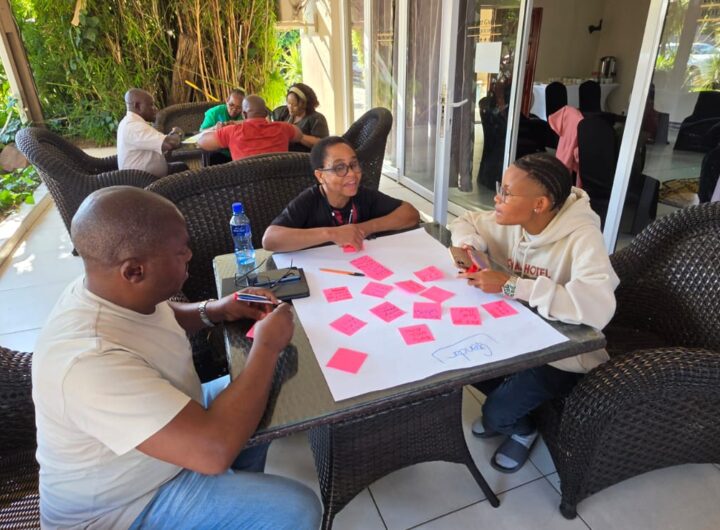 Advancing Diversity, Equity and Inclusion: Power of Women and Children Participates in Faith Leaders’ Workshop
 This Christmas, Don’t Just Celebrate Hope. Give Someone a Reason to Hope.
 Beyond the Fairway: When the Boy Child Was Told, ‘You Matter’
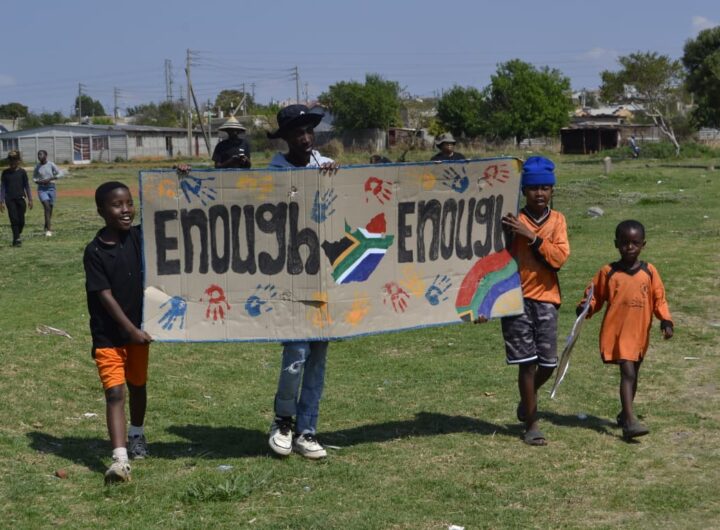 ENOUGH IS ENOUGH: Standing Together Against Gender-Based Violence and Femicide