Ithemba Labantwana Home
The construction started in 2006 and was completed in 2008, Ithemba Labantwana is a Children Home of the Power of Women and Children located at No.4144, Phase1, Tshepisong/Roodepport. Ithemba Labantwana is a Zulu phrase which means:’’ Hope For Childrern’’. Our home provides care to orphaned and vulnerable children aged between 1 and 19 years old. They are taken care by volunteers under the supervision of the House-Mother who coordinates all the activities of the house. This is a small heaven for these children who enjoy every moment of their stay in this house.
Home Based Care Program
Home Based Care is one among PWC s activities. Through a team of well-trained Community Care Workers (CCWs), PWC is running a comprehensive home based care program around Tshepisong and surrounding areas, around 100 families of peoples living with Hiv/Aids are benefiting from this program including palliative Care, First Aid, General Counseling and VCT and basic home care nursing.
School Sponsorship Program
Because of poverty, many children from poor families have been denied the opportunity to go to school. They constitute a danger to our society. Since 2014, PWC is fundraising for the education of our children living at Ithemba La Bantwana home as well as 50 other vulnerable children within the community of shepisong including school fees, school uniforms, shoes, recreational & educational trips etc. this has been possible grace to individual donations as well as local corporate that have been more helpful in this regard.
Skills Training Programs
PWC believes that skill development is one among the key element that combat ignorance and more importantly unemployment amongst the disadvantaged communities not only in South Africa but any party of the world where poverty has kept many peoples in slavery status for many decades. By keeping this in mind, PWC has initiated since 2009 a series of trainings including farming, art, bakery, project management, community care workers and many more aiming to empower underprivileged community members both females and males.
Living Sustained Dialogue
The Living Sustained Dialogue program started from January 2005 to December 2010 at Ethalaneni Nkandla in Kwazulu-Natal. The Program was co-managed by the Power of Women and Children and Ethalaneni Development Trust and sponsored by the Joseph Rownthree Charitable Trust based in the United Kingdom to which we own an applaud.
LSD is public peace process that brings community members around a table to explore the underlying broken relationship and seek better solutions to repair them and promote peace and development.
Sustained dialogue has been conceptualized as five stages:
Stage 1: Deciding to engage in dialogue: prior to convening a dialogue group, initiators will work to:
- Identify a set of well-respected individuals within a community who commit to engaging in a dialogue process.
- Agree with participants upon the purpose and ground rules of the dialogue.
Stage 2-Mapping and naming problems and relationships: once convened, the dialogue group will attempt to:
- Identify an array of problems and relationships among the participants at the table to examine how they impact the community’s real interests
- Share personal experiences with the relationships
- Chose two or three key problems to probe more deeply in the next stage
Stage 3-Setting a direction for change: within the key issues on the table the dialogue group will:
- Explore why the problems identified matter to the participants
- Probe each problem in depth to reveal the underlying relationships that drive them.
Stage 4-Building scenarios: having analyzed the dynamics of the community’s conflict, participants will turn to design solutions. In order to do this, they will:
- Identify the main obstacles to change within the community
- List the steps required to overcome those obstacles
- Determine who can make those steps
- Consider how the dialogue groups can public recognition that a change is happening.
Stage 5-Acting together: After building scenarios for change, the participants will:
- Decide whether conditions within the community permit implementation of the scenario
- Determine whether capacities exist to carry the scenario through
- Agree on who should take the steps
After 6 years of hard work in implementing the above methods in the Ekhukanyeni Tribal Authority in Nkandla district, we have seen that by bringing peoples around a table to discuss their problems in order to find together practical solutions that benefit everybody, peace and cohabitation were restore in this corner of the world and community
Counseling, Psychosocial care & support services
PWC is always approached by numerous beneficiaries from different background seeking counseling. Our motto for counseling is originated from the conviction that we are all in daily life trauma associated with the social, economic and spiritual conditions of the time, and that poverty, social exclusion and marginalization, oppression, persecution, violence, and war impact profoundly on the mental health and emotional well-being of individuals, families and communities.
Because of that, PWC offers comprehensive and holistic counseling that contribute to alleviate the distress of human beings and restore self-esteem, perseverance, endurance and hope. We create a space in which individuals and groups share their experiences and support each other towards a healing system that is guided by our trained personnel.
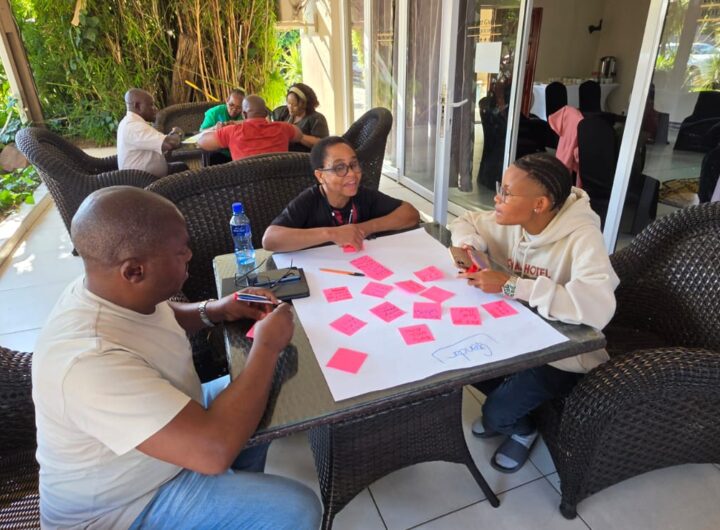 Advancing Diversity, Equity and Inclusion: Power of Women and Children Participates in Faith Leaders’ Workshop
 This Christmas, Don’t Just Celebrate Hope. Give Someone a Reason to Hope.
 Beyond the Fairway: When the Boy Child Was Told, ‘You Matter’
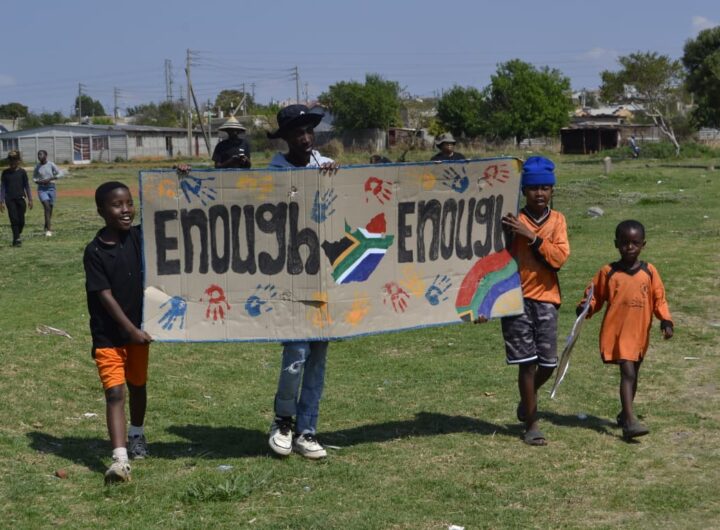 ENOUGH IS ENOUGH: Standing Together Against Gender-Based Violence and Femicide