Thank you for taking the time to read my story of surviving HIV for 22 years.
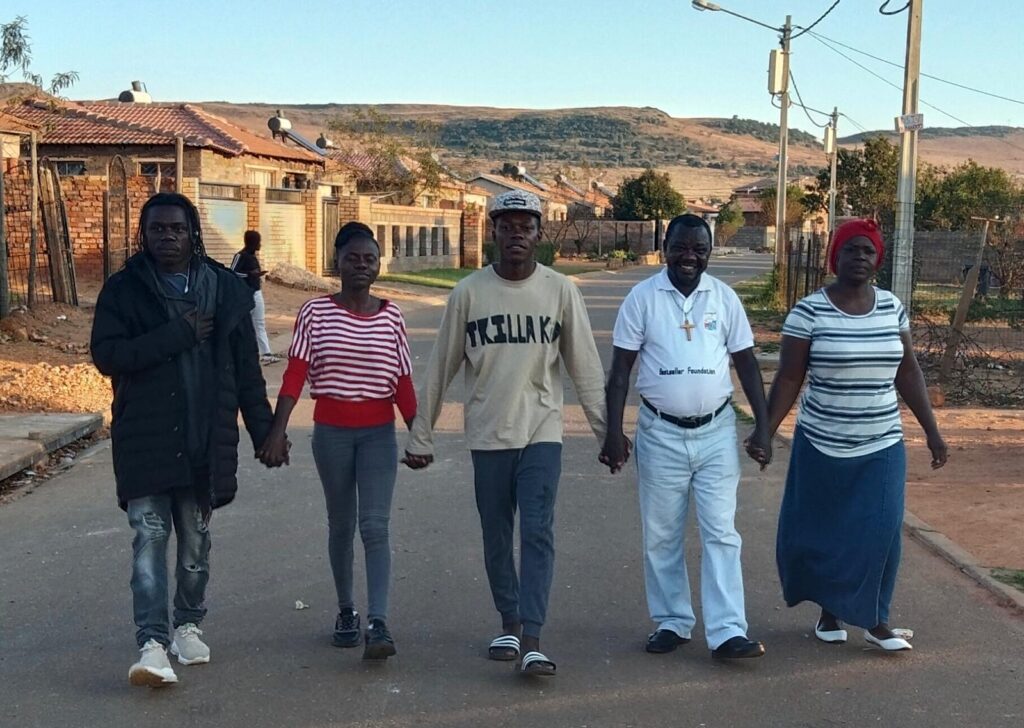
I am Mr. Tom Fikiri Masarara, often called Uncle Tom within the community where I live in Africa. As a 51-year-old man, I am blessed to have a lovely wife and three beautiful children. We are originally from the French-speaking Republic of Burundi, situated in East-Central Africa, bordered by the Democratic Republic of Congo, Tanzania, and Rwanda. Currently, we live in Lehae Township, a suburb of Johannesburg, in the Republic of South Africa. For 17 years, we have lived as asylum seekers.
I am a living testimony to survival and to the hope beyond an HIV+ status. Many people around the world used to consider this a death sentence, and unfortunately, this is still a prevalent belief in Africa.
Our story began with fleeing from violence and war in Burundi between the ethnic groups of Hutus and Tutsis, moving to Congo in April 1993. We were married in August 1994 when I was 21. After several years and trials living in other countries, we finally settled in South Africa in 2009. We can relate to many others who must leave their homeland in search of a better life.
I decided to get an HIV test in early 2002. I was not sick but wanted to know my status. I was confident that I was negative. At that time, it was very different from today; some people would commit suicide upon learning they were “positive.” I went through counseling first and remember being asked questions such as: “Are you single or married?”, “What results are you expecting?”, and “Will you reveal your positive result to your wife?” Some of these questions were difficult to answer. I felt that with God by my side, I would be fine, even if the result was positive.
When I tested positive, I was shocked. People were dying in large numbers due to AIDS, with Uganda and South Africa leading the death toll worldwide. I was silent, confused, and overwhelmed with questions and no clear answers. I worried about the future of my children, fearing that I might leave them as orphans or begging on the streets. It was a heavy burden. I was only 29 years old, and my eldest daughter, Rebecca, was only 8. It seemed bleak for us. It was my prayers and my desire for my children to grow up with both parents that kept me going.
I began to think about how to start disclosing my status. I immersed myself in learning about HIV and this deadly virus. I recall one of my colleagues asking, “Are you now a new researcher on HIV/AIDS? Why all the books you take from the library? It’s all about HIV/AIDS. Are you infected already? Tell us early so that we can start preparing for your burial.”
After realizing that nondisclosure was a “silent killer,” I decided to break my silence. The first person I revealed my status to was my friend Pascal. He told me there is still “life,” but I felt as though I was smelling death inside. I then disclosed my status to my mother. She couldn’t believe it and just cried, knowing it might be the end for me soon.
I finally found the courage to tell my wife, and we all went together for testing… she tested positive as well. Our children were 8, 4, and 1 at the time, but praise God, they all tested negative.
I became an HIV activist after educating myself and being guided by God. I attended many seminars, conferences, and training sessions, some offered by the World Health Organization. I became a beacon of hope for those living with the virus and for those affected by positive loved ones. I always encouraged people to get tested and emphasized life beyond an HIV diagnosis. Today, I work with the Organization, the Power of Women and Children (PoFWC). We have an orphanage that cares for children infected and affected by HIV/AIDS. For 4 years, I have been a caregiver for these children and provide home-based care as well. PoFWC provides food for many on ARV treatment through donations from other organizations and individuals.
I came to South Africa seeking asylum in 2007, only 5 years after being diagnosed with HIV. My family joined me in 2009. My only daughter, Rebecca, completed primary school in Burundi, while the two boys completed both primary and secondary education in South Africa. Unfortunately, none of them can access university education due to a lack of proper documentation in this country. The asylum seeker visa permits we have needed for the past 17 years are difficult to renew, so besides the HIV/AIDS challenge, we are “stateless” citizens of no country. As a result, we cannot obtain passports or visas.
I resisted taking treatment for 17 years, living with HIV until June 2019, when my health began to deteriorate. I was afraid to start treatment due to documentation issues. Today marks 5 years on treatment, and I am still strong and aging well.
Breaking the silence was a powerful strategy for me in conquering HIV. Understanding and accepting myself, maintaining a positive attitude, and trusting in God were crucial elements.
I have learned to have hope, live life, and maintain faith and perseverance. God hasn’t finished with me, even when I thought I was finished. For over 40 years, we have faced stigmatization, discrimination, and rejection, but we are still called to be strong.
Email: tomfikiri@gmail.com
POFWC Website

 Long-Term Survivors of HIV: The Power of Women and Children NPC’s Global Initiative
  Empowering Communities: A Beacon of Hope for Tshepisong Township for Those Living with HIV/AIDS
  Wishing you a very merry Christmas and happy New Year!
  Meals on Wheels donated 60 boxes of pies to Ithemba Labantwana
  Meals on Wheels, donates irish potatoes to Ithemba Labantwana Orphanage Home
  Meals on Wheels donates food to Ithemba Labantwana, Tshepisong and Lehae Community
 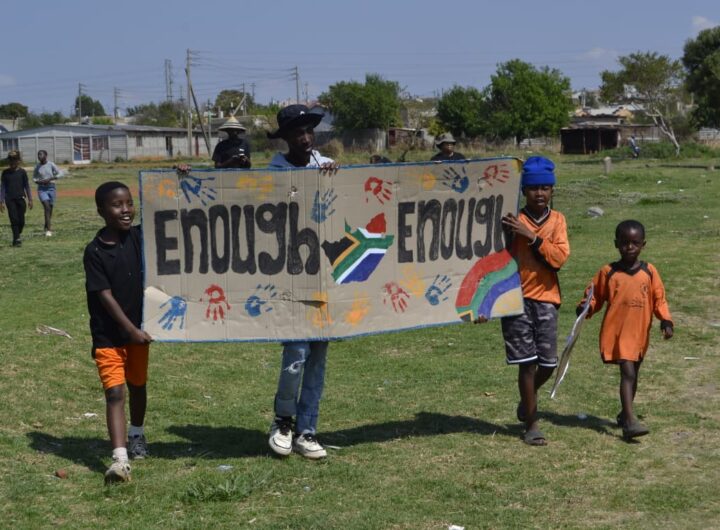 ENOUGH IS ENOUGH: Standing Together Against Gender-Based Violence and Femicide
  STATEMENT ON THE FIFTH WOMAN FOUND DEAD IN THE KEMPTON PARK AREA
 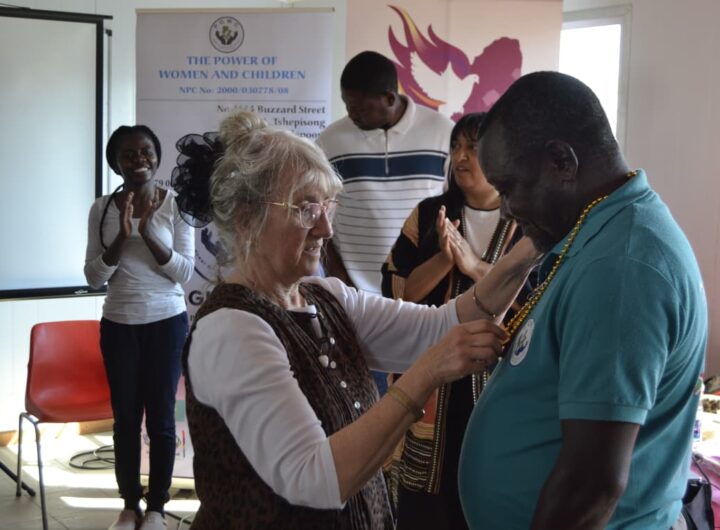 Fathers Matter and Healing Touch for ECDS: A Day of Learning, Healing and Empowerment at Lehae Township Secondary School
 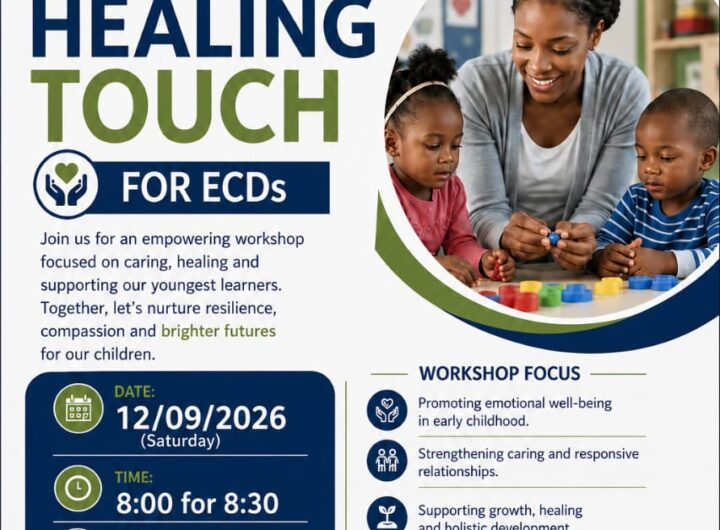 Healing Touch for ECDs: A Call to All Registered ECD Practitioners and Teachers